
Introduction
Corporate waste management is more than arranging for bins to be emptied. Offices, factories, hotels, hospitals, retail centres and large campuses generate different combinations of packaging, food waste, paper, plastics, wastewater and maintenance-related waste. When materials are mixed together, opportunities for reuse and recycling are lost, while disposal becomes harder to track. A sustainable programme starts by understanding the waste stream, preventing avoidable waste and ensuring that materials are handled through safe, appropriate and legally compliant routes.
Why businesses need a structured approach
Poor waste handling can create operational inefficiencies, sanitation issues, unnecessary procurement costs and reputational risks. A structured programme helps organisations understand what they generate, where it comes from and what happens after collection. It can also support environmental reporting and supplier accountability. The goal should not be to make unsupported claims about being ‘zero waste’; it should be to measure performance honestly and improve it over time.
Conduct a waste audit
Begin by listing waste sources across the facility: offices, kitchens, washrooms, warehouses, production areas, landscaping and maintenance rooms. Review collection records and observe what is discarded during a representative period. Where practical, measure the quantity and type of waste by department. Identify materials that could be avoided, reused, repaired, donated or recycled. Special waste streams—such as electronic waste, batteries, chemicals, biomedical waste or industrial residues—may require separate handling under applicable rules.
Prioritise prevention before disposal
The most effective waste is often the waste that is never created. Businesses can review purchasing standards, reduce unnecessary packaging, choose durable supplies and improve inventory management to prevent expired or damaged stock. Digital workflows may reduce some paper use, while reusable service items can be suitable in facilities with appropriate washing and hygiene systems. Procurement teams should ask suppliers about packaging, take-back arrangements and product durability, while ensuring that alternatives meet performance and safety requirements.
Segregate waste at the source
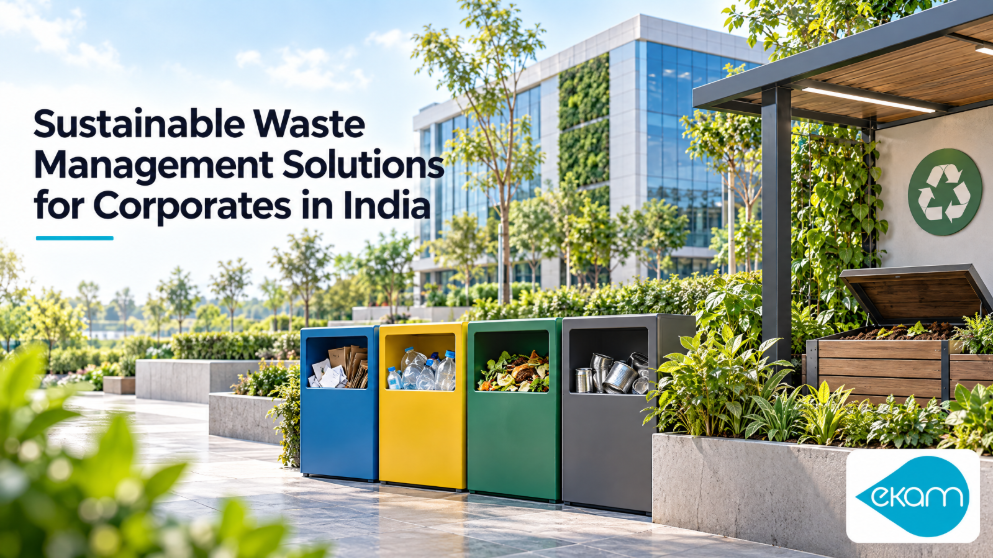
Provide clearly labelled containers for the waste streams that actually exist at the site. Colour codes and labels should match local requirements and the collection contractor’s process. Keep recyclable materials clean and dry where required, and avoid placing food waste or hazardous items in recycling bins. Staff training is essential: confusing signs and inconsistent collection practices can undermine the whole system. Review contamination rates and adjust bin locations, labels and communication based on observed behaviour.
Manage food and organic waste
Canteens, cafeterias and hospitality facilities can often reduce food waste through better forecasting, portion planning, storage and inventory rotation. Safe surplus food donation may be possible under appropriate procedures. Suitable organic waste may be composted or processed through a permitted local programme, depending on volume and site conditions. Businesses should not assume every facility can manage organics on-site; odour control, pest prevention, space and maintenance need to be considered.
Handle wastewater and sanitation responsibly
Waste management also includes liquid waste and wastewater. Facilities should prevent oils, solids, harsh chemicals and inappropriate materials from entering drains. Where an on-site sewage treatment plant is required, it must be designed for the actual wastewater load and operated by trained personnel or a qualified service provider. Treated water should be reused only where quality and regulations permit. Water efficiency and wastewater planning complement solid-waste reduction; Ekam Eco Solutions’ guide to Water Conservation & Management in India offers related context.
Choose responsible service providers
Before hiring a waste contractor, verify the provider’s authorisations where applicable, collection schedule, transport arrangements and final destination for each waste stream. Request records or certificates where relevant. Contracts should specify how recyclable, hazardous and general waste are separated and handled. For regulated waste, follow the applicable national, state and local rules rather than relying only on a vendor’s verbal assurance. Keep documentation accessible for audits and internal reviews.
Engage employees and suppliers
A waste programme works best when responsibilities are clear. Appoint a site lead, provide onboarding for employees and contractors, and share simple guidance at the point where waste is generated. Departments can set practical goals, such as reducing disposable supplies or improving segregation accuracy. Suppliers can contribute through reusable packaging, product take-back or reduced material use. Recognise improvements and share results without exaggerating environmental benefits.
Track meaningful performance indicators
Useful indicators include total waste generated, waste per employee or unit produced, percentage diverted from landfill where verified, contamination rates, food waste quantities and contractor documentation completion. Measure consistently and explain how figures are calculated. A rise in recycling tonnage is not always proof of better performance if total waste also rises substantially. Review data periodically and use it to change purchasing, training and collection practices.
Conclusion
Corporate waste management is most effective when it combines prevention, source segregation, responsible collection, safe handling of special waste and measurable improvement. Each organisation should adapt its programme to its activities, local infrastructure and legal obligations. For more guidance, read Sustainable Waste Management Solutions for Corporates in India and explore the sustainability resources available from Ekam Eco Solutions.