
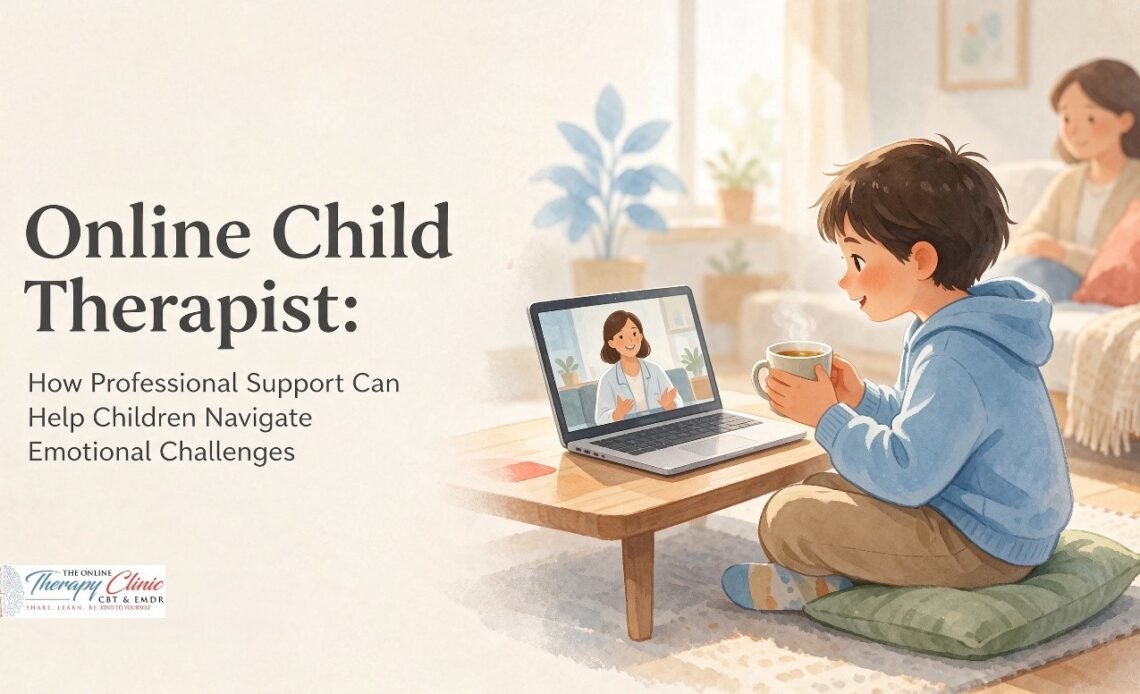
Childhood is an important stage of emotional, social and psychological development. While children experience many exciting milestones as they grow, they can also face challenges that are difficult to understand or communicate.
Changes in behaviour, persistent worries, difficulties at school and problems forming relationships may sometimes indicate that a child needs additional emotional support. Parents often try to manage these concerns at home, but professional guidance can provide another way to understand what a child is experiencing.
An online child therapist can help children and families explore emotional difficulties through structured psychological support delivered remotely. Online therapy may also make professional support more accessible for families who have busy schedules or limited access to local services.
Understanding Children’s Emotional and Behavioural Needs
Children do not always have the words to explain their feelings. Instead, emotional distress may appear through changes in behaviour, sleep, communication or relationships.
Some signs that a child may benefit from additional support include:
- Frequent worries or fears that interfere with daily activities.
- Persistent sadness or withdrawal from family and friends.
- Difficulty managing frustration or strong emotions.
- Changes in sleeping or eating habits.
- Reluctance to attend school or participate in activities.
- Challenges with friendships and social situations.
- Repeated behaviours linked to anxiety or distress.
These signs do not automatically indicate a mental health condition. They may have several explanations, and understanding the child’s individual circumstances is important.
What Does an Online Child Therapist Do?
An online child therapist works with children and, where appropriate, their parents or caregivers to understand emotional and behavioural difficulties.
The approach depends on the child’s age, communication style, needs and presenting concerns. Sessions may involve age-appropriate conversations, structured activities and psychological techniques.
Therapy may help children:
- Recognise and understand their emotions.
- Develop practical ways to manage anxiety and frustration.
- Build confidence and communication skills.
- Explore difficult experiences in a supportive environment.
- Develop strategies for managing everyday challenges.
- Strengthen relationships with family members and peers.
Parents may also receive guidance on how to support emotional development at home.
How Does Online Therapy Work for Children?
Online therapy generally takes place through secure video appointments or other agreed remote formats.
Before beginning, a professional may discuss the child’s needs, developmental stage, family circumstances and suitability for remote sessions.
Depending on the situation, parents may participate in some appointments, particularly when the child is younger or requires additional support.
A suitable online environment is important. Families should consider privacy, reliable internet access and a quiet space where the child feels comfortable.
Online therapy is not appropriate for every child or every clinical situation. A professional assessment can help determine whether remote support is suitable.
The Importance of Parent and Caregiver Involvement
Parents play an important role in supporting children’s emotional wellbeing. Professional guidance can help caregivers understand how their responses, communication and everyday routines may influence a child’s experience.
Practical ways to support children include listening without judgement, acknowledging their feelings, maintaining predictable routines and encouraging open communication.
Parents should avoid dismissing worries simply because they seem small from an adult perspective. A concern that appears minor to an adult may feel significant to a child.
Choosing the Right Child Therapist
When looking for professional support, parents should consider the therapist’s qualifications, experience and approach to working with children.
Useful questions include:
- Does the therapist have relevant training and experience in child mental health?
- Is the proposed approach appropriate for the child’s age and needs?
- How will parents or caregivers be involved?
- How will confidentiality and safeguarding be managed?
- Is online therapy suitable for the child’s circumstances?
It is also important that children feel listened to and respected during the therapeutic process.
Explore Online Child Therapy with The Online Therapy Clinic
The Online Therapy Clinic provides online psychological therapy services for children, adolescents and families.
Families interested in professional support can explore the clinic’s online child therapist and child therapy services to learn more about available support and therapeutic approaches.
Conclusion
Children can experience emotional and psychological difficulties at different stages of development. Recognising changes in behaviour and seeking appropriate guidance can help families better understand their child’s needs.
An online child therapist may provide a convenient way to access professional support, provided remote therapy is suitable for the individual child.
Disclaimer: This article is for general educational purposes only. It does not provide a diagnosis or replace professional medical advice. Therapy suitability should be discussed with an appropriately qualified professional.